Skip to content
shop
0
Basket
Home
Centenary Coffee & Co
Explore our locations
Bicester North
Coventry
Solihull
Discover more
Centenary Lounge
Explore our locations
Leamington Spa
Moor Street Station
Stroud
Now Open!
Taunton
Afternoon Tea
Private Venue Hire
Discover more
Shop
Gift Vouchers
Afternoon Teas
Hampers
Crockery & Giftware
Shop all
Franchise
Bespoke Corporate Gifts
Recreations by Centenary Group
About
Our Story
Our Tea & Coffee
Sustainability
Contact Us
menu
The latest from Centenary
June 3, 2026
Follow the Roar: Visit Centenary Lounge Taunton During the Taunton Town Lions Trail 2026
Read more
: Follow the Roar: Visit Centenary Lounge Taunton During the Taunton Town Lions Trail 2026
May 20, 2026
Game, Set and Matcha! Celebrate this Wimbledon Season with Centenary Lounge
Read more
: Game, Set and Matcha! Celebrate this Wimbledon Season with Centenary Lounge
May 20, 2026
Heading to Wembley by Train? Start Your Journey with Centenary Lounge
Read more
: Heading to Wembley by Train? Start Your Journey with Centenary Lounge
May 20, 2026
Father’s Day Gifts & Afternoon Tea at Centenary Lounge
Read more
: Father’s Day Gifts & Afternoon Tea at Centenary Lounge
March 23, 2026
Celebrate Easter the Centenary Way
Read more
: Celebrate Easter the Centenary Way
March 9, 2026
The Road to Cheltenham: Festival Week with Centenary Lounge
Read more
: The Road to Cheltenham: Festival Week with Centenary Lounge
February 2, 2026
Love Is in the Air at Centenary Lounge
Read more
: Love Is in the Air at Centenary Lounge
January 23, 2026
New Year, New Brew
Read more
: New Year, New Brew
December 1, 2025
A Timeless Look at Centenary Crockery and Giftware
Read more
: A Timeless Look at Centenary Crockery and Giftware
November 26, 2025
Step Into Christmas with The Polar Express at Moor Street Station
Read more
: Step Into Christmas with The Polar Express at Moor Street Station
November 3, 2025
Centenary Lounge shortlisted for National Railway Heritage Awards 2025
Read more
: Centenary Lounge shortlisted for National Railway Heritage Awards 2025
October 28, 2025
The Matcha Latte at Centenary Lounge
Read more
: The Matcha Latte at Centenary Lounge
September 19, 2025
Dig our 10% Student Offer!
Read more
: Dig our 10% Student Offer!
June 1, 2025
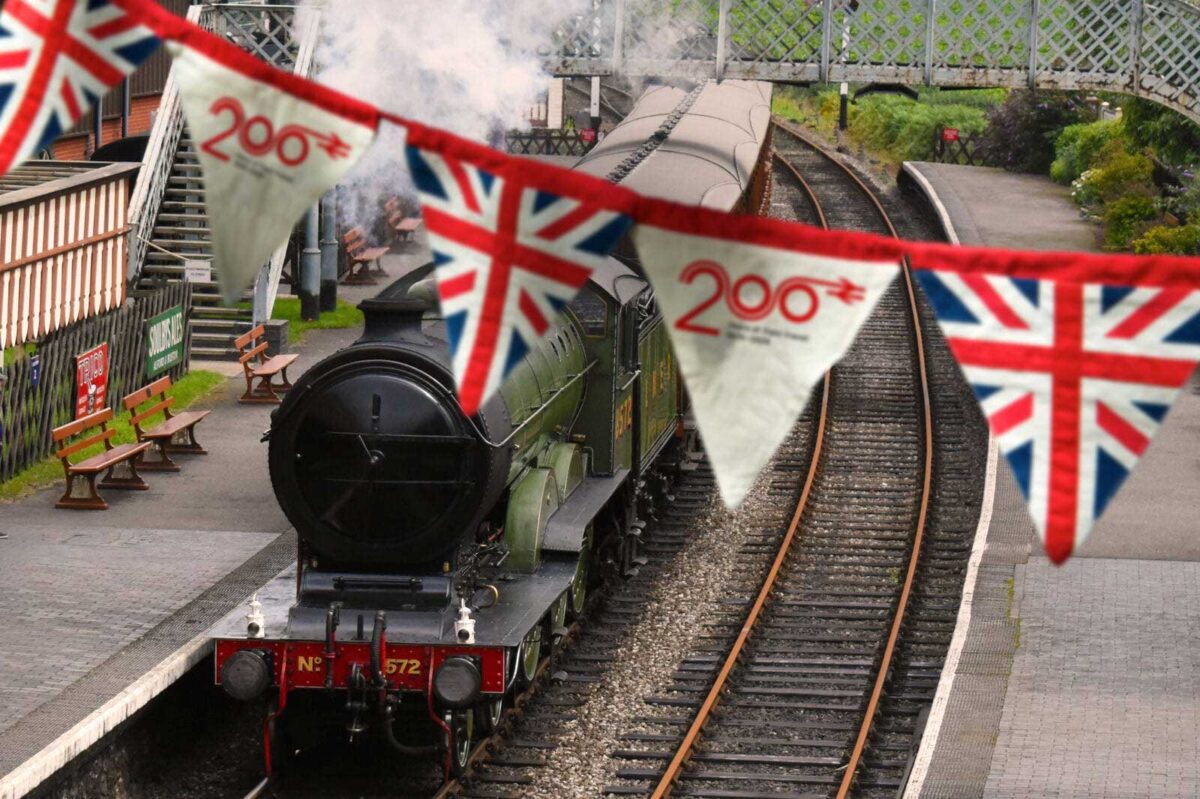
Happy 200th to Britain’s Railway
Read more
: Happy 200th to Britain’s Railway
August 14, 2024
Freshers Week 2024 at Centenary Lounge!
Read more
: Freshers Week 2024 at Centenary Lounge!
June 18, 2024
Summer Spritz Offer at Centenary Lounge
Read more
: Summer Spritz Offer at Centenary Lounge
Older Posts
→
Instagram
Follow us @centenaryloungeuk
Raise a glass this World Cider Day 🍎✨ Celebrate t
🦁 Taunton is about to roar into life! 🦁 From 5th
Looking for the perfect gift (or a treat for yours
Looking for a Friday evening tipple to enjoy on th
School’s out for half term 🙌☀️ Treat the family t
Hot days call for ice-cold sips ☀️🧊 Cool down with
🚉☕ Good news for the Bank Holiday Monday! All Cent
✨ WIN a £10 voucher for Centenary Lounge! ✨ We’re
Happy International Tea Day! ☕✨ At Centenary Loun
From the lush Peruvian Andes to your cup at Centen
Your Basket
(items: 0)
Products in basket
Product
Details
Total
Available on back-order
Previous price:
Discounted price:
/
/
−
+
Save
Your basket is currently empty!
Start shopping
Notifications